
Divorce Mediation Services in Ontario

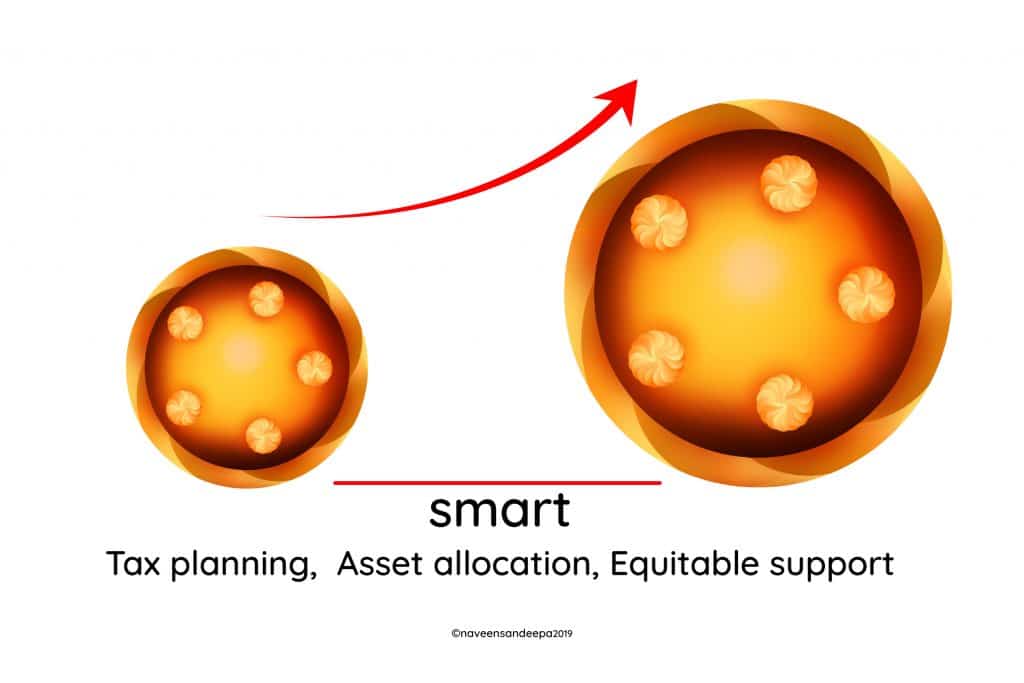
Explore how divorce mediation in Ontario, using the Soft Landing Method, offers a smart approach to separation.
Understand the process and benefits of divorce mediation.
Divorce mediation is a collaborative process where a neutral third-party, the mediator, helps the divorcing couple to resolve disputes amicably. The mediator facilitates communication and negotiation, allowing both parties to reach a mutually satisfactory agreement in a less adversarial setting than court proceedings. Mediation can address issues such as property division, child custody, and spousal support, and it often results in a quicker, more cost-effective resolution compared to traditional litigation. In Ontario, divorce mediation is seen as a preferable method due to its focus on cooperation and preserving relationships, especially when children are involved.
Mediation agreements become legally binding in Ontario when properly formalized and court-approved
A divorce mediation agreement in Ontario can be transformed into a legally enforceable document through a specific process. While mediation itself is a voluntary process, the resulting agreement gains legal authority when properly documented and validated through the court system.
To establish legal enforceability, the mediation agreement must undergo these essential steps:
- Independent Legal Review – Each party must consult their own lawyer to understand their rights and obligations
- Formal Documentation – The agreement must be properly documented as a separation agreement, detailing all terms including custody, support, and property division
- Court Filing – The agreement needs to be filed with the Ontario court system
- Judicial Approval – A judge must review and approve the agreement, converting it into a court order
Once these requirements are met, the mediation agreement becomes as legally binding as any court order. This means either party can seek legal enforcement if the other fails to comply with the agreed-upon terms. It’s crucial to work with qualified legal professionals throughout this process to ensure the agreement meets all Ontario legal requirements.
Divorce mediation offers a cost-effective, collaborative approach that gives couples more control over their separation process
Divorce mediation stands out as a peaceful and efficient alternative to traditional court proceedings. This process empowers couples to work together with a neutral mediator to reach mutually beneficial agreements while saving time and money.
Key benefits of choosing divorce mediation include:
- Greater Control and Flexibility – Couples make their own decisions rather than leaving outcomes to a judge
- Significant Cost Savings – Shared mediator fees and fewer sessions result in lower overall expenses compared to litigation
- Confidential Environment – Private sessions protect sensitive information from becoming public record
- Reduced Emotional Impact – Professional mediators help manage conflict and encourage productive dialogue
- Customized Solutions – Couples can create unique arrangements for child custody, asset division, and support payments
- Preserved Relationships – The collaborative nature helps maintain civil communication, especially important when co-parenting
Through mediation, couples can navigate their separation while maintaining dignity and respect, often achieving better long-term outcomes than through adversarial court battles. This approach particularly benefits families with children by establishing a foundation for positive future interactions.
The biggest challenge in divorce mediation is managing emotions while making rational decisions about complex issues
Divorce mediation presents several significant challenges that couples must navigate to reach a successful resolution. The most demanding aspects typically involve balancing emotional and practical considerations throughout the process.
- Emotional Management – Processing feelings of grief, anger, and resentment while maintaining productive discussions is often the most difficult hurdle
- Power Dynamics – Addressing existing relationship imbalances to ensure both parties have equal input and fair representation in negotiations
- Financial Complexity – Working through detailed asset division, support payments, and long-term financial planning while under emotional stress
- Communication Barriers – Maintaining clear, effective dialogue despite potential tension and different communication styles
- Adapting to Change – Accepting and planning for significant life transitions, including new living arrangements and shifting family dynamics
While these challenges can feel overwhelming, a qualified mediator helps couples navigate these obstacles by providing structure, guidance, and tools for effective communication. The mediation process creates a supportive environment where both parties can work through difficulties to achieve mutually beneficial solutions.
Divorce mediation comes in three primary forms: facilitative, evaluative, and transformative mediation
Each type of divorce mediation offers unique approaches to help couples reach mutually beneficial agreements while dissolving their marriage. The choice of mediation style depends on the couple’s specific needs, communication abilities, and desired outcomes.
- Facilitative Mediation: The mediator acts as a neutral guide, helping couples identify issues and explore solutions without providing legal advice. This approach focuses on fostering open dialogue and collaborative problem-solving.
- Evaluative Mediation: This more structured approach involves a mediator who provides legal expertise and assessment of potential court outcomes. The mediator actively suggests settlement options based on their professional experience and knowledge of family law.
- Transformative Mediation: Focusing on personal growth and understanding, this style helps couples improve their communication and develop problem-solving skills. The goal extends beyond settlement to enhance the parties’ future interactions.
Many professional mediators blend elements from all three approaches to create a customized process that best serves each couple’s unique situation. The most effective mediation style often emerges through careful assessment of the couple’s dynamics, goals, and comfort with different approaches.
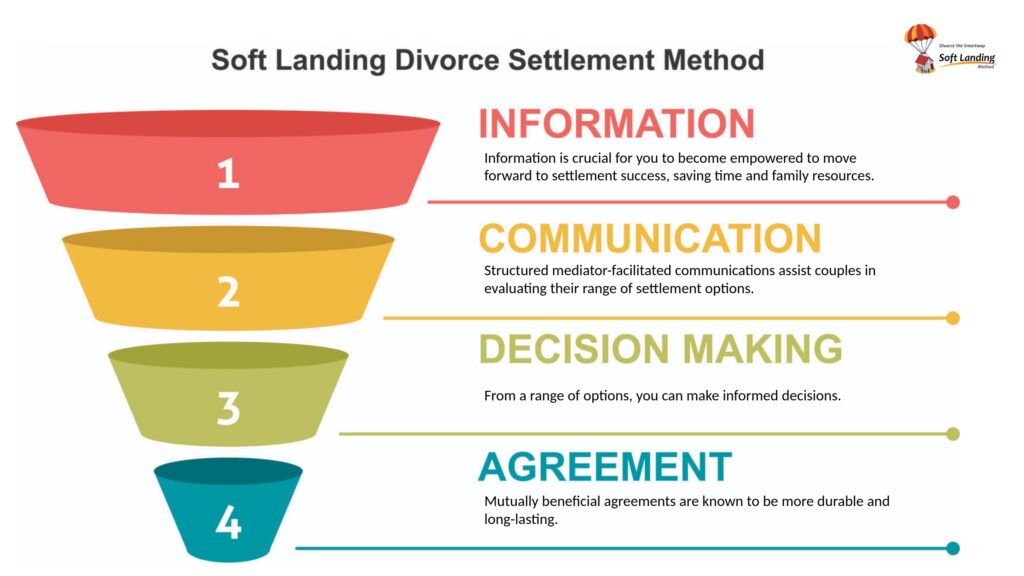
Divorce mediation in Ontario is a collaborative process where a neutral mediator helps couples resolve divorce issues outside of court
Divorce mediation offers Ontario couples a structured, cost-effective way to navigate separation with professional guidance. A certified mediator facilitates discussions to help both parties reach mutually beneficial agreements on key divorce matters.
The process typically follows these steps:
- Initial Consultation: Couples meet with the mediator to understand the process, discuss concerns, and determine if mediation suits their situation
- Information Gathering: Both parties share essential financial documents and relevant information to ensure transparent decision-making
- Mediation Sessions: The mediator guides focused discussions on critical issues including:
- Child custody and parenting arrangements
- Division of property and assets
- Spousal and child support
- Pension and retirement accounts
- Agreement Development: The mediator helps craft solutions that work for both parties, documenting decisions in a formal agreement
- Legal Review: Each party should have independent legal counsel review the agreement before signing
This voluntary process typically costs less than litigation and helps maintain better relationships between parties. While mediation agreements aren’t legally binding initially, they can be incorporated into formal court orders or separation agreements for enforcement.
Mediation in Ontario achieves successful outcomes in approximately 80% of cases
Mediation stands as a highly effective dispute resolution method in Ontario, consistently delivering positive results across various types of conflicts. The process proves particularly successful because it empowers participants to actively shape their own solutions.
Several key factors contribute to mediation’s high success rate:
- Active participation from all parties in the decision-making process
- Guidance from professionally trained mediators
- Focus on open communication and mutual understanding
- Flexibility to create customized solutions
- Cost-effective alternative to traditional litigation
Success in mediation extends beyond reaching complete agreements. Even partial resolutions or narrowing down disputed issues represent positive outcomes. The process often helps preserve relationships while achieving mutually beneficial solutions, making it a preferred choice for many Ontarians seeking to resolve conflicts outside the courtroom.
Mediation aims for mutual benefit through collaborative compromise rather than winners and losers
Divorce mediation is designed to create positive outcomes for both parties through a balanced negotiation process. While neither spouse may get everything they want, the goal is reaching a mutually acceptable agreement that serves everyone’s core interests.
The mediation process offers several key advantages:
- Both parties have equal opportunity to voice concerns and priorities
- A neutral mediator ensures fair and balanced discussions
- Sessions can extend across multiple meetings until agreement is reached
- Neither party is pressured to accept unfavourable terms
- The final agreement carries full legal weight once signed
Success in mediation requires both spouses to approach negotiations with a spirit of compromise and willingness to find middle ground. While the outcome may not be perfect for either party, it should represent a workable solution that allows both to move forward constructively with their lives.
Divorce mediation typically costs 50-90% less than traditional lawyer-led divorce proceedings
Divorce mediation offers significant cost savings compared to traditional litigation. While lawyers typically require individual retainers of up to $5,000 per spouse (meaning $10,000 total), mediation involves sharing the cost of a single professional. The financial advantages of mediation include:
- One shared mediator instead of two separate lawyers
- Lower upfront costs and retainer fees
- More efficient resolution process with fewer billable hours
- Reduced court-related expenses
- Better control over the total cost of divorce
Beyond the financial benefits, mediation also helps minimize the emotional and psychological costs for all parties involved, especially children. The collaborative nature of mediation promotes better communication and more amicable resolutions compared to adversarial court proceedings.
Court-ordered mediation is mandated by the courts, while private mediation is voluntary and more flexible
Court-ordered mediation is a mandatory process directed by the legal system, typically for resolving divorce and custody disputes. The court assigns both the mediator and scheduling, with attendance being compulsory under threat of contempt charges. Following the sessions, the court-appointed mediator submits a formal report to the presiding judge for consideration in their ruling.
Private mediation offers more control and flexibility to the participating parties. This voluntary process requires mutual agreement from both spouses on participation and mediator selection. The key features include:
- Flexible scheduling and pacing of sessions
- Choice of qualified mediator
- Various payment options (hourly or per session)
- Comprehensive coverage of divorce-related issues including:
- Child custody arrangements
- Parenting time and visitation
- Support payments
- Division of assets and property
Both types maintain strict confidentiality, though private mediation discussions cannot be used in subsequent court proceedings should mediation prove unsuccessful. The private approach typically offers a more collaborative environment for reaching mutually beneficial solutions.
Mediators can meet spouses together or separately, depending on circumstances and their preferred approach.
The meeting format for divorce mediation is determined by both the mediator’s professional style and the specific needs of the case. Most mediators will discuss their preferred approach during the initial consultation.
- Joint sessions are common when both parties can communicate respectfully, often with lawyers present to ensure clear understanding and fair representation
- Separate sessions may be recommended in cases involving:
- History of domestic violence
- Substance abuse concerns
- High-conflict situations
- Virtual mediation options are now widely available, offering flexibility and convenience for all parties
Find a qualified divorce mediator through trusted referrals and professional organizations
Selecting the right divorce mediator requires careful research and evaluation. Start by seeking personal recommendations from trusted sources who have firsthand experience with mediation services.
If personal referrals aren’t available, consider these professional channels:
- Contact your local community mediation centre
- Consult your provincial law society or bar association
- Reach out to your local family court services
- Check with professional mediation associations
Before making your final choice, schedule consultations to discuss:
- Professional certification and credentials
- Experience with cases similar to yours
- Mediation approach and process
- Fee structure and estimated costs
- Availability and scheduling options
Mediation can handle complex cases by incorporating expert guidance when needed
Even the most intricate divorce cases can be successfully resolved through mediation. The process is designed to be flexible and can accommodate complex financial arrangements, challenging custody situations, and complicated asset divisions. When needed, your mediator can help coordinate input from:
- Financial planners and accountants for asset valuation
- Family law specialists for legal guidance
- Tax professionals for financial planning
- Child specialists for custody matters
- Business valuators for company assets
The mediator’s role is to facilitate discussions and ensure all parties understand their options, while bringing in appropriate expertise to address specific challenges. This collaborative approach often leads to more comprehensive and lasting settlements than traditional litigation.
Professional mediators can help separated couples negotiate effectively, even in high-conflict situations
Despite relationship tensions, family mediation provides a structured, neutral environment to work through separation issues. Professional mediators are specially trained to:
- Facilitate respectful communication between conflicting parties
- Keep discussions focused and productive
- Ensure both partners have equal opportunity to express their needs
- Guide couples toward mutually acceptable solutions
Many mediators now offer virtual mediation services, allowing separated couples to participate in sessions remotely from different locations. This modern approach eliminates the stress of in-person meetings while still enabling couples to reach fair agreements on important matters like property division, support payments, and parenting arrangements.
Partial agreements through mediation are valid and can help resolve most issues while leaving difficult points for later resolution.
It’s completely normal for couples to face some challenging disagreements during mediation. The beauty of family mediation is its flexibility—you can create agreements for the issues where you’ve found common ground while setting aside more complex matters for further discussion. Your options include:
- Creating a partial agreement covering resolved issues
- Taking additional mediation sessions to work through difficult topics
- Seeking legal intervention for specific unresolved matters
- Using a combination of mediation and legal processes to reach a final settlement
This practical approach allows you to make progress on most issues while ensuring challenging topics receive the time and attention they deserve.
Strong personalities do not gain advantages in mediation as the process ensures equal participation for all parties
Professional mediators are specifically trained to maintain a balanced and fair environment where both parties have equal opportunities to express their views. The mediation process includes built-in safeguards to prevent any single participant from dominating discussions. If one party attempts to overpower or intimidate the other, the mediator will:
- Immediately address the behaviour and rebalance the dialogue
- Ensure each person receives equal speaking time and consideration
- Pause or terminate sessions if equal participation cannot be maintained
- Provide additional support to help less assertive participants express themselves effectively
Experience shows that seemingly “quieter” partners often achieve their desired outcomes through mediation, as the structured format allows them to communicate their positions clearly without confrontation.
Divorce mediation in Ontario typically takes 2-6 months to complete, depending on case complexity
The timeline for divorce mediation varies based on several key factors, including case complexity, cooperation between parties, and scheduling availability. Most couples complete the process through a series of structured sessions spread over several months.
Common factors affecting mediation duration include:
- Issue complexity – property division, child custody, and support arrangements
- Conflict level – willingness to negotiate and compromise
- Session frequency – typically 2-3 hours every 2-4 weeks
- Participant availability – coordinating schedules between parties and mediator
While some straightforward cases may resolve in as little as 6-8 weeks, more complex situations can extend beyond 6 months. The mediation process remains flexible, allowing couples to work at a pace that ensures thorough discussion of all relevant issues while maintaining productive dialogue. This investment in time often results in more sustainable agreements compared to lengthy court proceedings.
Mediation empowers couples to reach agreements, while arbitration involves a third-party decision maker
Mediation and arbitration are both alternatives to traditional court proceedings, but they function quite differently. In mediation, couples work together with a neutral mediator to negotiate and reach mutually acceptable solutions. With arbitration, an appointed arbitrator reviews evidence and makes binding decisions, similar to a judge.
Key differences include:
- In mediation, couples maintain control over decisions and outcomes
- Arbitration involves presenting formal evidence and testimony
- Mediators facilitate discussion, while arbitrators make final rulings
- Mediation promotes communication and cooperation between parties
- Arbitration decisions are typically binding and enforceable by law
Mediation is a private process that takes place entirely outside of the court system
Unlike traditional litigation, family mediation allows parties to resolve their disputes without making any court appearances. This confidential process offers several advantages:
- Saves time and money by avoiding lengthy court procedures
- Provides a more relaxed, less formal environment for discussion
- Allows parties to maintain control over their decisions
- Reduces stress and emotional strain on all participants
- Creates lasting solutions through mutual agreement rather than court orders
Divorce mediation helps couples reach mutually beneficial agreements through structured negotiation
Divorce mediation is a collaborative process designed to help separating couples resolve their disputes efficiently and amicably. Working with a neutral third-party mediator, couples can address key issues while maintaining control over decisions that affect their future.
The primary objectives of mediation include:
- Identifying and clarifying specific disputes and concerns
- Exploring creative solutions that benefit both parties
- Creating legally sound written agreements
- Reducing emotional stress and conflict
- Minimizing legal costs and court involvement
A qualified divorce mediator serves several essential functions:
- Facilitates balanced discussions where both parties have equal voice
- Provides relevant legal information and context
- Helps clarify each party’s priorities and concerns
- Suggests practical solutions to complex issues
- Offers guidance on consulting other professionals when needed
- Ensures all agreements are properly documented
Amicable divorce mediation works best when both parties seek a cooperative, cost-effective resolution
Divorce mediation provides an effective alternative to traditional litigation when separating couples want to maintain civility and reach mutually beneficial agreements. This process is particularly valuable for managing complex emotional dynamics while protecting important relationships and financial resources.
- Both spouses demonstrate willingness to negotiate in good faith
- Partners need help managing emotional aspects of separation constructively
- Couples wish to maintain positive relationships, especially for co-parenting
- Direct confrontation between partners proves challenging
- Communication has reached an impasse despite good intentions
- Partners want to avoid the significant costs and stress of court proceedings
- Both parties seek a fair and balanced resolution of their issues
Divorce mediation involves structured sessions where couples work with a mediator to reach agreements on key issues
During divorce mediation, a trained mediator facilitates structured discussions between both parties in sessions lasting 1-2 hours. The process typically follows these key steps:
- An initial meeting to identify and prioritize all issues requiring resolution
- Collection of essential documentation, particularly financial records and relevant information
- Multiple sessions focused on finding mutually acceptable solutions through guided discussion
- Consultation with external experts when necessary (financial advisors, child specialists, etc.)
- Mediator guidance on legal frameworks and common resolution approaches
- Development of a written settlement agreement once all issues are resolved
The final settlement document undergoes review by both parties and their respective lawyers before being formalized. This collaborative approach typically proves more cost-effective and less adversarial than traditional divorce proceedings.
Divorce mediation is a voluntary process where a neutral professional helps separating couples negotiate their divorce terms cooperatively.
Divorce mediation involves working with an impartial third-party mediator who facilitates constructive discussions between separating spouses. The mediator guides conversations but does not make decisions – instead, they help couples reach their own mutually acceptable agreements in a respectful, cost-effective way.
During confidential mediation sessions, couples typically address key divorce matters including:
- Property division and distribution of assets
- Child custody arrangements and parenting schedules
- Child and spousal support payments
- Retirement accounts and pension splitting
- Family home decisions and housing arrangements
The mediator’s role is to keep discussions productive and balanced while helping identify solutions that work for both parties. While they can document the final agreement, mediators do not provide legal advice or make binding decisions. The process remains entirely voluntary, with couples maintaining control over their divorce terms.
Mediation remains a viable option even after hiring a lawyer
It’s never too late to pursue mediation as a dispute resolution method, even if you’ve already retained legal counsel. Many clients successfully transition to mediation after initially working with lawyers. In fact, having legal representation can be beneficial during the mediation process, as your lawyer can:
- Provide valuable legal advice throughout mediation
- Review any agreements before signing
- Work collaboratively with the mediator
- Continue representing your interests if mediation doesn’t resolve all issues
The flexibility of mediation allows you to begin the process at any stage of your dispute, potentially saving time and money while maintaining better relationships between parties.
Schedule a free 15-minute consultation call to get your questions answered
The most efficient way to get personalized answers to your questions is through our complimentary consultation call. During this focused 15-minute discussion, we can:
- Address your specific questions and concerns
- Determine the best course of action for your situation
- Outline potential next steps
- Provide relevant guidance and recommendations
You can easily book your consultation by using our online scheduling system. Our team is committed to ensuring you receive the information and support you need to move forward with confidence.
Mediation provides expert guidance and fresh perspectives to help find solutions when parties feel stuck
A professional mediator brings specialized skills and experience to help parties overcome negotiation roadblocks. Rather than an inability to agree, most disputes stem from challenges in finding the right path forward. Mediators offer:
- Neutral third-party perspective to help see beyond emotional barriers
- Proven conflict resolution techniques to facilitate productive discussions
- Creative problem-solving approaches to uncover previously unconsidered options
- Professional guidance to help parties explore mutually beneficial solutions
Mediation is a low-risk, cost-effective first step before pursuing legal action
Starting with divorce mediation is a financially prudent choice since it operates on a pay-as-you-go basis with minimal upfront commitment. The initial investment is typically just a few hundred dollars to explore the possibility of reaching an agreement. If mediation proves unsuccessful, you can still proceed with traditional legal channels and Family Court.
- No large retainer fees required
- Pay only for the sessions you attend
- Potential savings of thousands of dollars compared to litigation
- Freedom to discontinue if progress isn’t being made
- Option to pursue legal action remains available
Most couples who begin mediation successfully reach a settlement, making it a worthwhile investment that can help avoid costly court proceedings while maintaining control over the outcome.
Virtual divorce mediation allows you to participate remotely without being in the same room as your ex-spouse.
Through secure online video conferencing, you can engage in professional divorce mediation from separate locations of your choice. This modern approach offers several benefits:
- Enhanced comfort and reduced stress by maintaining physical distance
- Convenient participation from home or office
- Same professional mediation quality as in-person sessions
- Secure and confidential digital platform
- Flexible scheduling options to accommodate both parties
After divorce mediation, the mediator drafts a settlement agreement that both parties must review and finalize through legal channels.
Once divorce mediation concludes, several important steps follow to formalize the agreement and complete the divorce process. The mediator prepares a detailed memorandum of understanding that outlines all decisions made during mediation sessions. This document covers key aspects like property division, child custody arrangements, and financial obligations.
The typical post-mediation process includes:
- Review of the draft agreement by both spouses and their respective lawyers
- Conversion of the mediation agreement into a formal separation agreement
- Filing of necessary court documents to obtain a divorce judgment
- Implementation of the agreed-upon terms regarding assets, support payments, and parenting arrangements
- Completion of any required documentation for property transfers or pension division
It’s important to note that while mediation creates the framework for divorce settlement, the agreement only becomes legally binding after proper court filing and judicial approval.
We offer convenient online mediation services accessible from anywhere in Canada
Distance is never a barrier to accessing our professional mediation services. Through our secure virtual mediation platform, we help couples navigate their separation and divorce regardless of their location. Our online sessions provide the same high-quality mediation experience as in-person meetings, with added flexibility and convenience.
- Conduct sessions from the comfort of your home
- Save time and travel costs
- Access professional mediators across time zones
- Use any device with internet connection
- Maintain complete confidentiality and privacy
Yes, you can choose finance-only mediation while addressing other divorce matters separately
While divorce mediation typically covers multiple aspects of separation, you have the flexibility to focus specifically on financial mediation if that’s your preference. Financial matters often require specialized expertise, particularly for complex situations involving:
- Asset division and property settlements
- Pension and retirement account distribution
- Business valuations and ownership splits
- Investment portfolio allocations
- Tax implications of divorce settlements
Though we offer comprehensive divorce mediation services, our specialized financial expertise makes us particularly qualified to handle monetary aspects of your separation. You may choose to work with other professionals for non-financial matters while leveraging our financial knowledge for optimal results in property and asset division.
A divorce mediator facilitates discussion between spouses rather than providing direct advice.
A divorce mediator serves as a neutral facilitator who helps couples communicate effectively and reach their own agreements. Unlike other divorce professionals, mediators do not make decisions or provide specific recommendations. However, when working as a Certified Divorce Financial Specialist, different services are available:
- Professional guidance on asset division
- Recommendations for childcare arrangements
- Analysis of spousal support options
- Financial planning advice
It’s important to note that these roles remain separate – a professional can serve as either a mediator or financial specialist for a given case, but not both simultaneously, to maintain objectivity and avoid conflicts of interest.
Effective divorce mediation requires thorough financial documentation, clear priorities, and a willingness to compromise
Preparing properly for divorce mediation can significantly improve your chances of reaching a fair settlement while saving time and money. The key is to be organized and maintain a constructive mindset throughout the process.
- Gather financial documents including tax returns, bank statements, investment accounts, property assessments, and debt records
- Identify your priorities by creating a list of must-have outcomes versus items where you’re willing to be flexible
- Consider your partner’s perspective and anticipate their key concerns and priorities
- Prepare discussion points in advance to ensure all important topics are addressed
- Maintain a cooperative attitude and be ready to compromise on less critical issues to achieve your main objectives
Remember that mediation is typically charged hourly, so focusing on significant issues rather than minor details will help manage costs effectively. Consider consulting divorce preparation resources or speaking with a mediator beforehand to ensure you’re fully prepared for the process.
Divorce mediation costs in Ontario are typically shared equally between both parties
In Ontario, divorce mediation costs are usually split 50-50 between spouses, though couples can negotiate different arrangements based on their financial situations. The total cost includes several components:
- Mediator fees – The primary expense, typically charged hourly or as a package
- Administrative costs – Including document preparation and filing fees
- Professional fees – Such as lawyers or financial advisors when needed
Financial assistance options are available for eligible individuals through Legal Aid Ontario and community mediation services. Some mediators also offer sliding-scale fees based on income. It’s recommended to discuss cost arrangements during the initial consultation to ensure both parties understand their financial obligations before beginning the mediation process.
Divorce mediation in Ontario typically costs between $150-500 per hour, with total costs varying based on case complexity
The overall cost of divorce mediation in Ontario depends on several key factors that can influence the final price. Understanding these components can help couples budget appropriately for their mediation process.
Primary cost factors include:
- Mediator’s hourly rate ($150-500/hour based on experience and location)
- Number of sessions required (typically 3-6 sessions)
- Case complexity (affecting total time needed)
- Additional professional fees (financial advisors, document preparation)
While the initial cost may seem significant, divorce mediation typically proves more cost-effective than traditional litigation. Many mediators offer flexible payment options, including package rates and payment plans. Most importantly, couples can schedule a complimentary consultation to discuss specific costs and process details before committing to mediation services.







































Ken Maynard
I assist intelligent and successful couples in navigating the Divorce Industrial Complex by crafting rapid, custom separation agreements that pave the way for a smooth transition towards a secure future.
This efficient process is achieved in about four meetings, effectively sidestepping the excessive conflicts, confusion, and costs commonly linked to legal proceedings.
Clients have the flexibility to collaborate with me either via video conference or in-person through a DTSW associate at any of our six Greater Toronto mediation centers, located in Aurora, Barrie, North York, Vaughan, Mississauga, and Scarborough.