Filing an uncontested divorce in Ontario can feel overwhelming if you’re not familiar with the process. You’re not alone! Many people get confused with legal terms and procedures which can lead to unnecessary delays and stress. In fact, studies show that nearly 30% of couples experience misunderstandings that prolong their divorce journey. But it doesn’t have to be that way!
In this guide we will walk you through the step-by-step process of filing your uncontested divorce in Ontario. From understanding legal terms to ensuring all documents are completed correctly, we’ll demystify the process and give you the information you need to finalize your agreement quickly. Whether you want to simplify your separation or avoid legal fees, our tips will help you navigate this stage with confidence.
So if you’re ready to do this without the confusion and stress, keep reading! You’ll find practical tips and clear explanations to help you with your uncontested divorce filing in Ontario.
Going through the divorce process can be overwhelming especially if you’re not familiar with the terms and procedures involved. An uncontested divorce allows couples to part ways amicably, reducing stress and conflict. However even in a straightforward situation, misunderstandings can arise and lead to delays and frustration. In this guide we will unravel the complexities of uncontested divorce in Ontario and give you the knowledge to move forward with confidence. Let’s get started!
What Is an Uncontested Divorce in Ontario?
Understanding Uncontested Divorce
An uncontested divorce is when both spouses agree on all matters related to their separation. This includes division of assets, child custody, spousal support and other relevant issues. The key here is that neither party disputes the terms of the divorce, which makes the process much smoother.
The importance of an uncontested divorce lies in its ability to facilitate a more amicable and quicker separation. Couples can avoid the long court battles that come with contested divorce and save time and emotional energy.
Benefits of Choosing an Uncontested Divorce
The benefits of an uncontested divorce are many. First and foremost, it’s much more cost effective than a contested divorce. You’ll save on legal fees and court costs which can add up quickly when disagreements arise.And an uncontested divorce also brings emotional relief. When both parties cooperate and agree on terms, the stress of disputes and negotiations is greatly reduced. This collaborative approach allows couples to move into their new lives without the emotional baggage that comes with a contested divorce.
Essential Elements of the Agreement
A well written divorce agreement is crucial for clarity and fairness. Here are the key components that need to be included:
- Division of Property: Clearly outline how assets and debts will be split between the parties.
- Child Custody and Access: Establish arrangements for custody, visitation and child support.
- Spousal Support: Specify any financial support one spouse will provide to the other.
- Legal Requirements: Ensure the agreement meets Ontario’s family law requirements to be enforceable in court.
These elements form the foundation of a successful divorce agreement so both parties know their rights and responsibilities.
Legal Requirements for Your Agreement
In Ontario for a divorce agreement to be legally binding it must meet specific legal standards. It’s important to ensure the agreement is clear and unambiguous. Both parties should ideally get legal advice before signing to make sure their rights are protected. If the agreement meets all legal requirements it can reduce the likelihood of disputes in the future.
Steps to Filing Your Uncontested Divorce Agreement
Preparing Your Divorce Agreement
The first step in the process is to prepare your divorce agreement. This means drafting the agreement with the consent of both parties. It’s important to communicate openly with each other about each person’s needs and concerns, this will set the tone for the whole process.
- Drafting the Agreement: Use clear and concise language. Make sure to include all necessary details and avoid vague terms that could cause confusion later on.
- Review Together: Before finalizing both parties should review the agreement to confirm it reflects their mutual understanding.
Filing the Application
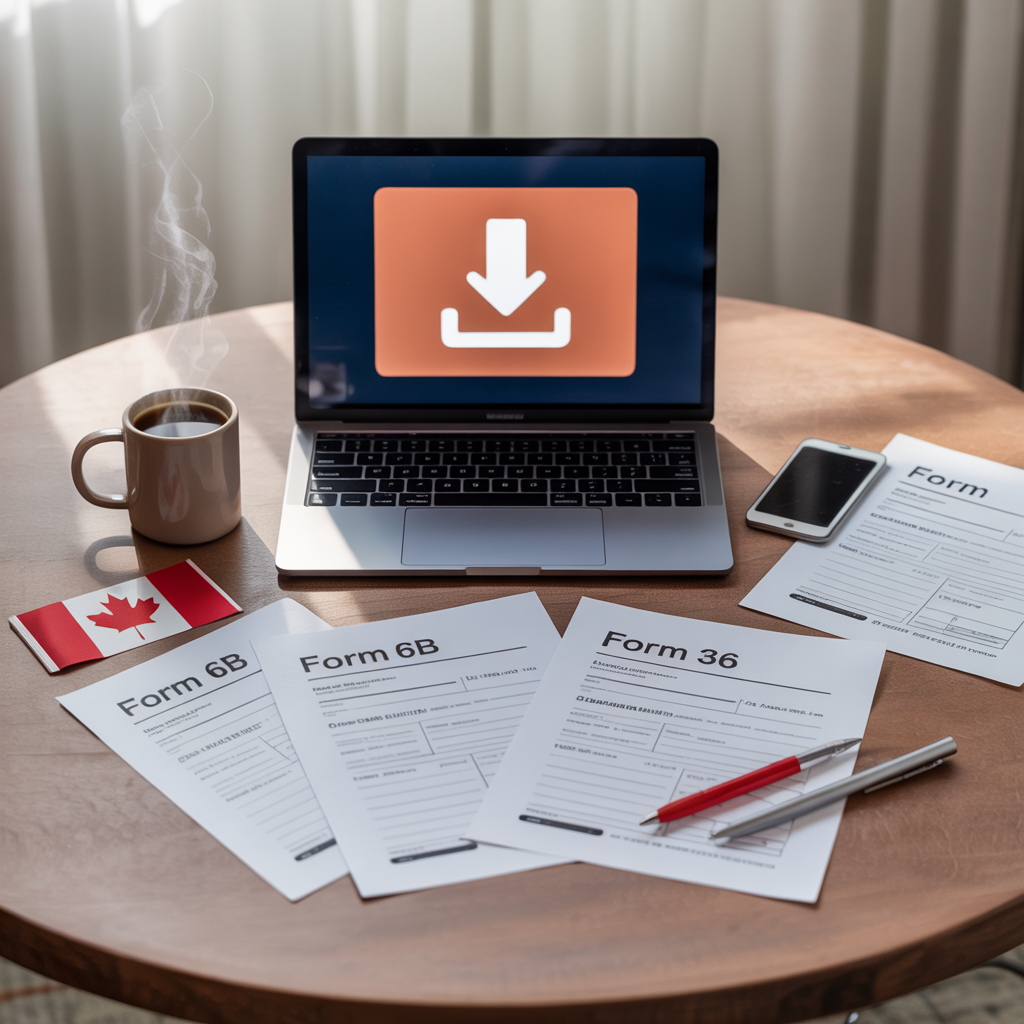
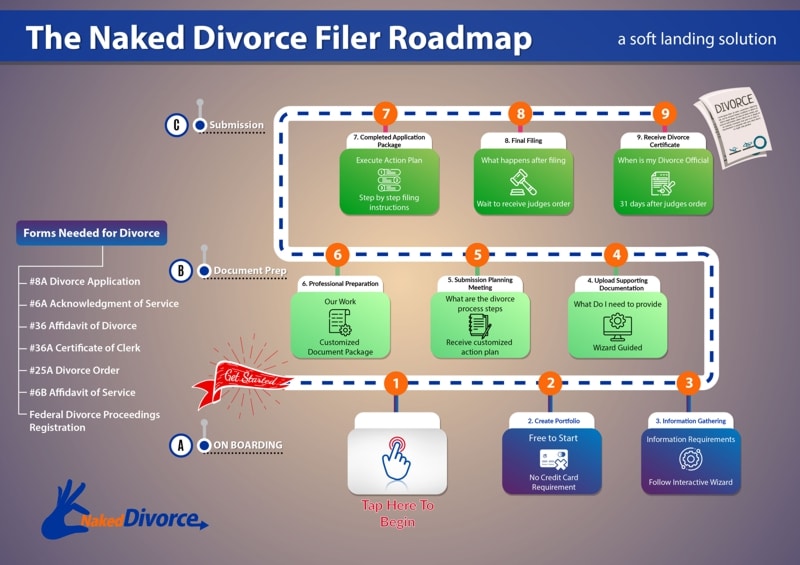
Once your divorce agreement is ready you will need to file it with the court in Ontario. Here’s a step by step guide to help you through this process:
- Complete the Necessary Forms: Both parties must fill out the required divorce application forms. This includes the divorce agreement itself and any supporting documents.2. Gather Supporting Documents: Collect your marriage certificate, financial statements and any agreements regarding child custody or support.
- File the Application: Submit the completed forms and supporting documents at your local courthouse.
Once submitted the court will review your application. If everything is in order a judge can grant the divorce without either party having to appear in court. Make sure all documents are accurate to avoid processing delays.
Common Issues When Filing
Disputes Over Terms
Despite uncontested divorces being cooperative, disputes can still arise over specific terms in the divorce agreement. Whether it’s about dividing assets or child custody arrangements, unresolved issues can complicate the finalization process.
To address potential conflicts, open communication is key. Couples should discuss their concerns and negotiate terms amicably. If necessary, consider involving a mediator to facilitate discussions and help reach an agreement.
Communication Issues
Communication is key to a smooth divorce process. Lack of clarity can lead to misunderstandings which can escalate into disputes. To prevent this, both parties should have regular discussions about their expectations and concerns. Create a safe space for these conversations to foster cooperation and reduce tension.
Best Practices for a Smooth Filing Process
Drafting Tips
Writing a good divorce agreement requires careful thought. Here are some tips to follow:
- Be Clear and Concise: Use simple language to describe each term and condition. Ambiguity can cause confusion later.
- Cover All Relevant Issues: Make sure every aspect of the divorce is covered in the agreement, no room for misinterpretation.
- Review Together: Both parties should thoroughly review the agreement to confirm it reflects their mutual understanding.
Importance of Professional Guidance
Working with a Certified Divorce Specialist (CDS) can help throughout the process. A CDS can draft the agreement, ensure it meets legal standards and offer guidance on common pitfalls to avoid. Their expertise can make the process easier for both parties.
Timelines and What to Expect
Average Time to File
On average an uncontested divorce agreement in Ontario can take 4-6 months to finalize. However this timeline can vary based on court backlogs and complexity of the agreement.Knowing the typical timeline can help set expectations and reduce anxiety during the waiting period. Staying organized and communicating with each other will also help with the process.
Common Delays
Delays can happen for many reasons, including incomplete paperwork or disputes over terms. To minimize these issues make sure all documents are completed accurately and submitted on time. Clear communication and timely responses to requests will also help speed up the process.
Can You File for Divorce Without a Lawyer?
Pros and Cons of DIY Divorce
You can draft a divorce agreement without a lawyer but there are risks involved. DIY can save you money but may lead to complications if the agreement lacks legal protections or clarity.
Weigh the pros and cons. If both parties feel confident in the process DIY may be an option. But if the situation involves significant assets or children then seek legal help.
When to Get Legal Help
If your divorce is complex with significant assets or custody issues then get professional help. A CDS or family lawyer can guide you through the process and help you avoid the pitfalls. They can also ensure all legal requirements are met to minimize future disputes.
Finalizing Your Divorce Agreement
What Happens After Filing?
After you file your divorce agreement you can expect a 3-6 month wait for the court to review and finalize it. Court schedules and any required adjustments can impact this timeline.
Once your divorce agreement is finalized make sure both parties understand their obligations going forward. This includes adhering to the agreed upon child custody arrangements and financial responsibilities. Stay organized and communicate with each other.
Communication After Divorce
Communication is still key after the divorce agreement is finalized. Both parties should keep the lines of communication open to ensure compliance with the agreement. Regular check ins can help address any emerging issues promptly.