
Avoid Costly Mistakes in Divorce Application Ontario

Discover the common mistakes in divorce application Ontario!
Avoid pitfalls and ensure a smooth process. ✨
Common Mistakes to Avoid When Filing a Divorce Application in Ontario
Filing a divorce application can feel like navigating a maze—one wrong turn can lead to delays, added stress and costly mistakes. In Ontario where the divorce process is detail oriented, you need to know the common pitfalls that can derail your application. Did you know that almost 30% of people run into significant issues during their application process? That’s a lot!
 As someone who has guided many through the divorce process, I’ve seen firsthand how these mistakes in divorce application Ontario can create unnecessary obstacles. Whether it’s incomplete forms, misunderstood legal requirements or missed deadlines, each misstep can complicate what should be a straightforward process. In this article we’ll go through the most common mistakes to avoid when filing your divorce application in Ontario so you can be armed with the information to have a smoother journey ahead.
Let’s get started on the path to a successful divorce application free from avoidable stress!
Getting a Sense of the Divorce Process in Ontario
Filing for divorce can feel overwhelming. Getting a sense of the process in Ontario makes it simpler. The legal landscape for divorce in Ontario involves specific steps and paperwork that can be confusing if you’re not familiar with them. Knowing what to expect can save you time, money and stress.
Uncontested vs. Contested Divorces
In Ontario divorces can be either uncontested or contested. An uncontested divorce is when both spouses agree on the terms, such as child custody, support and property division. This is typically faster and less expensive. Contested divorces occur when there are disagreements and the court has to intervene to resolve the issues.
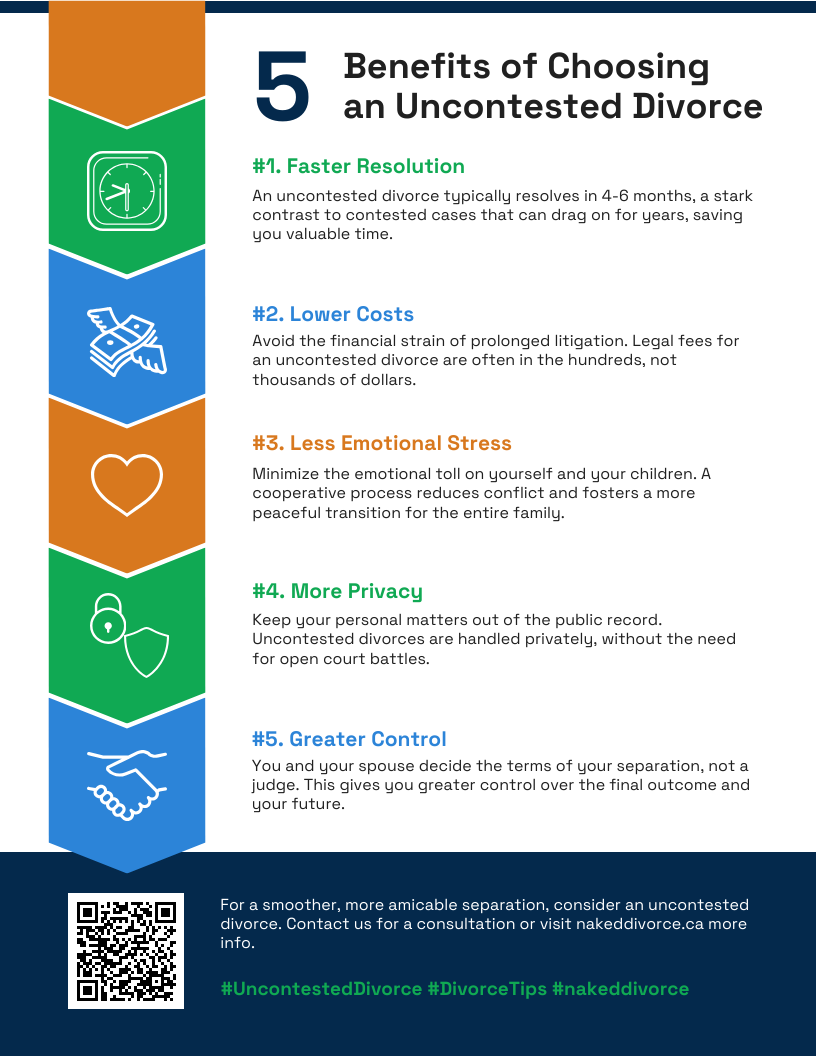
You need to know which one applies to you. If you and your spouse are on good terms and can communicate effectively, aim for an uncontested divorce. It reduces complications and can speed up the process.
Key Steps to Start Your Divorce Application
Starting your divorce application involves a few key steps:
- Check Eligibility: Make sure you meet the residency requirement—living in Ontario for at least one year before filing.
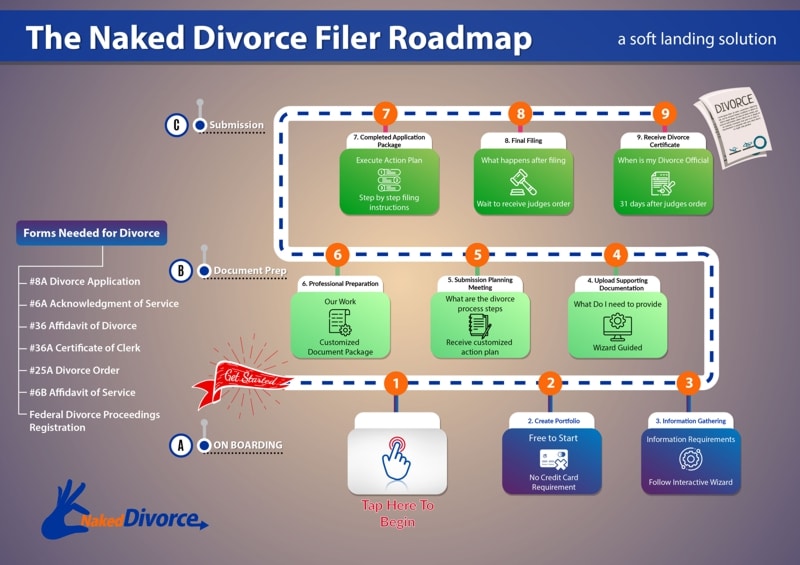
- Complete the Forms: You’ll need to fill out Form 8A (Application for Divorce) and the relevant affidavits.
- Gather Supporting Documents: This includes your marriage certificate, separation agreement and financial statements.
- File Your Application: Submit your application at the courthouse in your area.Knowing these steps can help you avoid delays. Each form must be filled out correctly to prevent rejections which can add to your waiting time.
Common Mistakes in Divorce Applications
Mistakes in your divorce application can cause significant delays and added stress. Many people find themselves faced with obstacles that could have been avoided with proper preparation.
Incomplete or Incorrect Forms
One of the most common mistakes is submitting incomplete or incorrect forms. Make sure to double check that all required fields are filled out correctly. A single missing signature or incorrect date can delay or reject your application.
Read each form thoroughly and understand what is required. A checklist can be a useful tool to ensure you don’t miss anything.
Missing Deadlines and Their Consequences
Every stage of the divorce process has specific deadlines. Miss these and you can jeopardize your application. For example if you don’t respond to your spouse’s application within the time frame it can result in an uncontested divorce without your input.
Be mindful of deadlines for filing documents, responding to applications and attending hearings. Set reminders to stay on track throughout the process.
The Importance of Accurate Financial Disclosure
Financial disclosure is a big part of the divorce process. Providing accurate and complete financial information ensures fair division of assets and obligations.
Common Pitfalls in Financial Reporting
Many people don’t disclose all financial assets and end up with significant complications. Underreporting income or hiding assets can result in penalties like fines or even legal repercussions.
Be honest about your financial situation. Transparency helps build trust and can make negotiations for property and support smoother.
Consequences of Hiding Assets
If you try to hide assets during the divorce process the consequences can be severe. Courts take financial dishonesty seriously. If discovered you may face sanctions which can include losing part of the assets you were entitled to.
Besides legal repercussions dishonesty can damage your reputation and relationships especially if children are involved. It’s always better to be upfront about your financial situation.
Navigating Child Custody Issues During Divorce
 When children are involved child custody arrangements become a major concern. Mistakes in this area can have long term effects on both you and your children.
Mistakes to Avoid When Proposing Custody Arrangements Proposing custody arrangements that don’t consider the best interests of the child is a common mistake. Courts prioritize the child’s needs so it’s important to have a plan that reflects stability and support.
Consider the child’s age, needs and relationship with each parent. Work with your spouse to create a balanced plan. Open communication can help you reach an agreement that works for everyone.
How to Prioritize Children’s Best Interests
The child’s best interests always come first. Focus on creating a stable environment for them during this transition. This means consistent routines, emotional support and feeling safe.
It may also help to involve child psychologists or mediators if there are significant disputes about custody. They can provide professional insight to create a child focused arrangement.
Dividing Property and Assets: What to Watch Out For
Understanding property division laws is key in divorce proceedings. Mistakes in this area can cause disputes and financial hardship.
Misunderstanding Ontario’s Property Division Laws
Ontario follows the Family Law Act which governs property division in divorce cases. A common misconception is that assets are split 50/50. Instead the net family property is calculated and each spouse’s contribution to that property is assessed.
Educate yourself on how assets and debts are valued. This will ensure you get a fair settlement based on accurate valuations.
Mistakes in Valuing Assets and Debts
Another error is misvaluing assets and debts. Failing to include all debts or incorrectly valuing assets can skew the division process.
To avoid this get professional appraisals for high value items like real estate or investments. Accurate valuations will give you a clear picture of what needs to be divided and help you negotiate better.
Filing Procedures: How to File Smoothly
Filing your application correctly is crucial for a smooth process. Mistakes at this stage can cause frustrating delays.
Proof of Service and Why It Matters

After filing you must serve your spouse with the divorce papers. This is called proof of service. It’s important to follow the court’s rules for serving documents to ensure your application proceeds smoothly.
Failing to provide proof of service can delay your application significantly. Use a registered process server if you’re unsure about handling this step yourself.
Responding to a Divorce Application
If you’re being served with a divorce application you need to respond quickly. You have 30 days if you’re in Canada or the U.S. and 60 days if you’re elsewhere.
Timely responses will help you maintain control of the divorce process. Ignoring the application can lead to an uncontested divorce that may not be in your best interests.
Get Professional Help: A Smart Move
Working with a professional can help you navigate the divorce application process. This will save you time and stress.
Benefits of a Certified Divorce Specialist
A Certified Divorce Specialist (CDS) will provide guidance throughout the process. They know the ins and outs of Ontario’s divorce laws and can help you avoid common mistakes.
Hiring a CDS will streamline your application, ensure all paperwork is complete and submitted on time. This will lead to a better outcome.
How Legal Advice Can Help You Avoid Mistakes
Legal advice is key to avoiding mistakes in divorce applications. A lawyer will guide you through financial disclosures, custody arrangements and property division.
They will also prepare you for court, so you understand your rights and responsibilities. Having a professional on your side will increase your chances of success.
More Resources
There are many resources available for those going through divorce in Ontario. Local family law clinics, online legal resources and community support groups can help.
Consider seeking help from professionals who specialize in family law. They can give you personalized advice for your situation.
This guide will provide you with valuable information on how to avoid mistakes during the divorce application process in Ontario. By understanding the law and the pitfalls you can navigate this difficult time with more confidence and ease.

Filing fees typically range around $669, but other costs may apply.
The basic filing fee for a divorce application in Ontario is approximately $669, which is payable in two parts. Additional costs may arise from legal representation, mediation services, or other court-related fees, so it’s essential to budget accordingly.
Yes, but there may be additional steps and forms required.
You can modify your divorce application after it has been filed, but you will likely need to submit additional forms or amendments to the court. It’s advisable to consult with a lawyer to ensure that any changes are made correctly and do not lead to further complications.
If your spouse doesn’t respond, you may proceed with an uncontested divorce.
If your spouse fails to respond to your divorce application within the specified timeframe, you may be able to proceed with an uncontested divorce. This can simplify the process, but it’s essential to ensure that all legal requirements are met to avoid future complications.
The process can take anywhere from 4 to 12 months or longer.
The duration of the divorce application process in Ontario varies based on whether the divorce is contested or uncontested. A simple, uncontested divorce can often be finalized within 4 to 6 months, while contested cases may take a year or more, depending on the complexity of the issues involved.
You need Form 8A, an Affidavit, and possibly additional documents.
To file for divorce in Ontario, you typically need to complete and submit Form 8A (Application for Divorce) along with an Affidavit for Divorce. Depending on your situation, additional documents such as financial disclosure statements or child support agreements may also be required.
While not mandatory, having a lawyer can prevent mistakes.
You are not required to hire a lawyer to file for divorce in Ontario; however, legal representation can significantly reduce the risk of errors. A lawyer can help you navigate the process, ensure that all paperwork is filed correctly, and protect your rights during negotiations.
Double-check forms, gather all necessary documents, and consult a professional.
To minimize mistakes in your divorce application, carefully check that all forms are fully completed and all necessary documents are attached. It’s also beneficial to consult with a Certified Divorce Specialist or legal professional who can provide guidance and ensure that your application is submitted correctly.
Common mistakes include incomplete forms and missed deadlines.
Filing a divorce application in Ontario can be complex, and common mistakes often include not completing forms accurately or omitting necessary documentation. Additionally, failing to meet filing deadlines can lead to delays and complications in the divorce process. It’s crucial to thoroughly review all forms and requirements to avoid these pitfalls.


Ken Maynard CDFA, Acc.FM
I assist intelligent and successful couples in navigating the Divorce Industrial Complex by crafting rapid, custom separation agreements that pave the way for a smooth transition towards a secure future. This efficient process is achieved in about four meetings, effectively sidestepping the excessive conflicts, confusion, and costs commonly linked to legal proceedings. Clients have the flexibility to collaborate with me either via video conference or in-person through a DTSW associate at any of our six Greater Toronto mediation centers, located in Aurora, Barrie, North York, Vaughan, Mississauga, and Scarborough.