
Health Benefits During Divorce and Separation
The Hidden Crisis: When Health Coverage Ends with Your Marriage
For many Canadians going through separation or divorce, the shock of losing health benefits can be as devastating as the emotional toll of the relationship breakdown. Imagine discovering that your prescription medications, which cost $300 monthly through your spouse’s plan, will now cost you $1,200 out of pocket. Or learning that the dental work you’ve been planning will jump from a $200 co-pay to a $2,000 bill.
 This is the harsh reality facing thousands of Canadian spouses who depend on their partner’s workplace health benefits. Benefits from health insurance come with various costs. One person might be financially responsible for premiums, deductibles, copayments, and coinsurance. The other might be unable to pay for their own policy. This financial dependency doesn’t magically disappear when the marriage ends.
Your First Step: Getting the Employee Benefits Booklet
What Exactly Is an Employee Benefits Booklet?
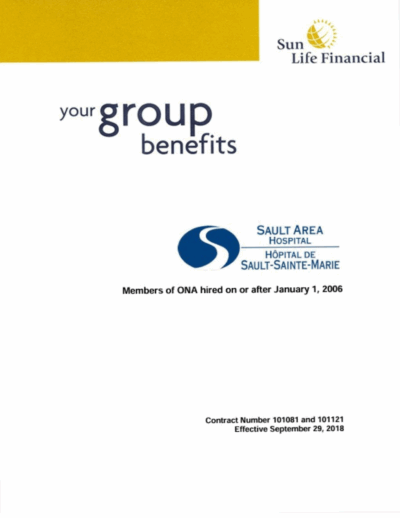
An Employee Benefits Booklet is a summary of the health care benefits your employer provides. This document is important for understanding the benefits available to you and your dependents. It explains the program, including the terms and conditions of coverage. During divorce proceedings, this booklet becomes one of your most valuable documents.
This document might also be called:
- Benefits Summary
- Health Plan Overview
- Extended Health Care Plan Booklet
Why This Document Is Crucial for Your Divorce
The Employee Benefits Booklet is important in divorce settlements because it shows the value of extended healthcare coverage for you and your dependents. Without this document, you’re negotiating blind. It provides concrete details about:
- Exact coverage levels and monetary limits
- Which family members are covered
- Termination rules and timelines
- Conversion options to individual plans
- Claims procedures and deadlines
The ex-wife must provide the ex-husband with a copy of her benefits handbook so that he is aware of what benefits are available to him – this type of arrangement is becoming standard in separation agreements.
Where to Get Your Spouse’s Benefits Booklet
You can get the Employee Benefits Booklet from:
- Employer HR Department: Request a copy from your spouse’s HR department
- Employer HR Portal: The booklet is often available for download on the company’s HR portal
- Extended Health Care Plan Administrator: The plan administrator can provide copies, especially when changes occur
- Your Personal Files: You may have saved previous versions of this document
Many plan administrators provide online access. You can log in to the plan administrator’s website, then select the option to “View Documents” to find the booklet. If your spouse is unwilling to provide this document, your lawyer can request it as part of mandatory financial disclosure.
Critical: Check the Dates
The date of the Employee Benefits Booklet is important, especially for financial settlements. You need the Current Version of the document to ensure all coverage details are accurate. Benefits change annually, and using outdated information could cost you thousands in miscalculated support or missed coverage opportunities.
Understanding What’s Really at Stake: Your Health Benefits Breakdown
What Your Benefits Booklet Reveals
Your Health Care Benefits Program typically includes:
- Vision care
- Hearing aid coverage
- Dental care
- Prescription drugs
- Out-of-province hospital/medical care
- Long-term care facility benefits
- Prosthetic appliances and durable medical equipment
- Paramedical coverage
Each of these categories represents significant financial value. For example, paramedical coverage alone might provide $1,500 annually for services like massage therapy, physiotherapy, or psychological counseling.
The Real Value Hidden in the Fine Print
The average Canadian family receives approximately $4,000-6,000 worth of health and dental benefits annually through employer plans. But the Benefits Booklet reveals the true maximums:
Prescription Drug Coverage:
- Annual maximums (often $5,000-unlimited)
- Co-payment percentages (typically 80-100%)
- Dispensing fee caps
- Generic substitution rules
Dental Coverage Details:
- Annual maximums per person ($1,500-3,000 typical)
- Coverage percentages by service type
- Frequency limits (e.g., cleanings every 6-9 months)
- Major work pre-approval requirements
Extended Health Services:
- Individual practitioner limits
- Combined maximums for paramedical services
- Equipment replacement schedules
- Out-of-country coverage limits
The Moment of Truth: When Coverage Actually Ends
Reading Between the Lines of Your Benefits Booklet
Your Benefits Booklet contains specific termination clauses that determine exactly when coverage ends. These details are crucial for planning your transition to new coverage.
For Legally Married Couples: If you are separated, your spouse can continue their coverage for as long as you remain legally married. However, the Benefits Booklet will specify whether the employee must notify the employer of the separation.
For Common-Law Relationships: The moment you stop cohabitating, benefit eligibility typically ends. If you separate from your spouse they’re no longer eligible for coverage, and any terms and conditions under separation or divorce agreements are your responsibility, not the employers.
The Critical Conversion Window
Buried in most Benefits Booklets is information about conversion privileges. Typically, a non-insured spouse must apply for a new plan within 60 days of being removed from their former spouse’s plan. Some booklets specify even shorter windows – as little as 31 days. Missing this window means losing guaranteed acceptance and facing medical underwriting.
Using Your Benefits Booklet in Settlement Negotiations
How Professionals Use This Document
The Employee Benefits Booklet will be used in the Benefits section of your Family Law Financial Statements. This booklet helps professionals:
- Verify Benefits: Check the coverage available during the marriage and for any dependents
- Calculate Equalization: Include the value of benefits when calculating equalization payments
- Ensure Full Disclosure: Provide a full overview of available benefits to meet financial disclosure requirements
Quantifying the Loss for Support Calculations
When negotiating spousal support, the Benefits Booklet provides concrete numbers for:
- Current Coverage Value: The actual monetary worth of benefits being lost
- Replacement Costs: What comparable individual coverage would cost
- Coverage Gaps: Services that may not be available in individual plans
If the ex-wife were to stop maintaining the ex-husband on her benefits policy for any reason, she must pay him half the cost of any insurance needed to cover the benefits that he had under her plan – courts use the Benefits Booklet to determine these amounts.
The Financial Reality: Replacement Coverage Costs
Individual Plan Pricing vs. Group Benefits
Your Benefits Booklet likely shows group rates and coverage levels that are impossible to replicate individually. Here’s the harsh reality:
Group Plan Advantages (from your Benefits Booklet):
- No medical questionnaires
- Immediate coverage for pre-existing conditions
- Lower premiums due to group purchasing
- Higher coverage limits
- Broader service coverage
Individual Plan Reality:
- Medical underwriting required
- Pre-existing condition exclusions or waiting periods
- Premiums 50-200% higher than group rates
- Lower annual and lifetime maximums
- Many services not covered at all
Real Cost Comparisons
Using information from the Benefits Booklet, calculate your true replacement costs:
If Your Booklet Shows:
- Drug coverage: 90% reimbursement, $5,000 annual max
- Dental: 80% basic, 50% major, $2,000 annual max
- Paramedical: $1,500 combined annual max
- Vision: $300 every 24 months
Individual Coverage Would Cost:
- Comprehensive health: $400-600/month
- Dental: $200-300/month additional
- Total: $600-900/month ($7,200-10,800 annually)
Protecting Dependent Coverage: Children in the Middle
What Your Benefits Booklet Says About Children
Post-Separation Coverage: Coverage for a spouse or children may change after separation. Make sure to address these factors during negotiations. Most Benefits Booklets specify:
- Age limits for dependent children (typically 21-25)
- Full-time student requirements
- Disability provisions for adult children
- How children can maintain coverage post-divorce
Ensuring Continuous Coverage for Children
The Benefits Booklet often reveals options for maintaining children’s coverage:
- Children can remain on the employed parent’s plan
- Both parents can cover children (coordination of benefits)
- Student status documentation requirements
- Special provisions for children with disabilities
Critical Actions: Your 30-Day Checklist
Week 1: Documentation Phase
Day 1-3:
- Obtain current Employee Benefits Booklet from all available sources
- If you have customizable coverage, you will also need a Benefits Statement that shows the specific services you subscribe to
- Document all current medications and treatments
- List all healthcare providers and upcoming appointments
Day 4-7:
- Review Benefits Booklet termination clauses
- Identify conversion options and deadlines
- Calculate current benefit usage and value
- Start collecting quotes for replacement coverage
Week 2-3: Negotiation Preparation
- Create a comprehensive list of all benefits from the Booklet
- Calculate annual value of each benefit category
- Research provincial assistance programs
- Consult with insurance brokers about individual options
- Draft benefit continuation proposals for your lawyer
Week 4: Implementation
- Finalize separation agreement benefit clauses
- Apply for replacement coverage if needed
- Ensure all family members understand coverage changes
- Set up new payment methods for ongoing treatments
- File any outstanding claims
Common Pitfalls: Lessons from the Benefits Booklet
1. Not Getting the Right Version
Document gathering is a time for accuracy, not estimation. There should be no mistakes, misunderstandings, or secrets. Using an outdated Benefits Booklet can lead to significant miscalculations in support payments.
2. Missing Hidden Benefits
Employee Life Insurance: If your employer provides health, dental, or life insurance, this booklet will show the available coverages. Don’t overlook wellness accounts, health spending accounts, or employee assistance programs that have monetary value.
3. Ignoring Provincial Variations
Your Benefits Booklet may reference provincial coverage that affects your benefits. Each province has different rules about benefit continuation and division during divorce.
4. Failing to Address All Dependents
The Benefits Booklet is an individual document, meaning each person (both spouses) must have their own copy. Both spouses need complete information for full financial disclosure.
Negotiating from Strength: Using the Benefits Booklet
Essential Separation Agreement Clauses
Based on your Benefits Booklet review, ensure your agreement includes:
- Specific Booklet References: “As per the Benefits Booklet dated [date], coverage includes…”
- Continuation Provisions: How long coverage continues and under what terms
- Notification Requirements: Timeline for informing about benefit changes
- Replacement Cost Formulas: Based on actual booklet coverage levels
- Access to Information: Ongoing right to updated Benefits Booklets
Leveraging Booklet Information
Use specific information from the Benefits Booklet to:
- Justify higher support payments based on benefit loss
- Negotiate lump-sum payments for future premiums
- Establish healthcare expense sharing formulas
- Create contingencies for benefit plan changes
Provincial Resources and Support
When Group Benefits End
Each province offers programs that can help offset the loss of employer benefits:
Ontario:
- Trillium Drug Program for high drug costs
- Assistive Devices Program
- Community Health Centers
British Columbia:
- Fair PharmaCare Program
- MSP supplementary benefits
- Community health services
Alberta:
- Non-Group Coverage benefit plans
- Alberta Adult Health Benefit
- Specialized drug programs
The Bottom Line: Your Benefits, Your Rights
Before you and your spouse reach an agreement, and before you sign anything, you should have your lawyer review your financial disclosure to make sure you fully understand your family’s financial situation. The Employee Benefits Booklet is not just another document – it’s the key to understanding the true financial impact of your divorce on your healthcare.
Remember that UBC does not allow former spouses or partners to remain as dependents and continue receiving coverage through the UBC Benefits Plan, even if this is part of your divorce agreement/court order. Most employers have similar restrictions, making it crucial to plan for alternative coverage.
The loss of health benefits during divorce can represent thousands of dollars in additional annual expenses. But armed with the detailed information from your Employee Benefits Booklet, you can negotiate fair compensation, plan for replacement coverage, and protect your health and financial future.
Understanding your benefits is important for managing your finances, ensuring you have the right healthcare coverage, and protecting your legal rights. Don’t let the complexity of divorce overshadow this critical aspect of your financial security. Get that Benefits Booklet, understand every detail, and use it to secure the healthcare coverage you need and deserve.

Ken Maynard CDFA, Acc.FM
I assist intelligent and successful couples in navigating the Divorce Industrial Complex by crafting rapid, custom separation agreements that pave the way for a smooth transition towards a secure future. This efficient process is achieved in about four meetings, effectively sidestepping the excessive conflicts, confusion, and costs commonly linked to legal proceedings. Clients have the flexibility to collaborate with me either via video conference or in-person through a DTSW associate at any of our six Greater Toronto mediation centers, located in Aurora, Barrie, North York, Vaughan, Mississauga, and Scarborough.